
Best Things to Do in Zadar, Croatia
Some destinations are impressive but tiring. Zadar did not feel that way to me. It felt relaxed from the start. We visited Zadar in late April and early May, and it already felt like summer during the day.
On some days, temperatures reached around 28°C, which made it perfect for sightseeing, relaxing outside, and enjoying long meals outdoors. The sea was still quite cold, so it was more the season for coastal views than for long swims.
We stayed in a villa a little outside the center, which gave the trip a quieter and more comfortable feel. Renting a car when we arrived also made it much easier to explore not only Zadar itself, but also the nearby coast, beaches, and smaller towns.
Why Zadar Is Worth Visiting
What I liked most about Zadar was the mix of different things in one place. There is history everywhere, but the city does not feel too heavy or formal. You can walk past old churches, stone streets, and Roman ruins, and then just a few minutes later, you are by the sea, enjoying the fresh sea breeze.
That balance is what made Zadar feel so special. It has the charm of a historic city and the relaxed rhythm of a coastal destination. Zadar also works well both as a short city break and as a base for exploring more of the coast. That combination made it one of the most enjoyable places I visited in this part of Croatia.
Exploring Zadar Old Town
There is a lot of history here, but the old town does not feel frozen or museum-like. What I liked most was the way different periods of history stand so close together. In a short walk, you can see Roman remains, medieval churches, Venetian elements, and everyday life all mixed. That layered feeling gives Zadar much of its unique character.


One of the most recognizable buildings in Zadar is the Church of St. Donatus. Built in the early medieval period, it is considered one of the most important examples of pre-Romanesque architecture in Croatia. Compared with the richly decorated churches many travelers may know from Italy or Central Europe, St. Donatus feels more severe and monumental.
Right beside it are the remains of the Roman Forum, which make the historical setting even more impressive. You can stand there and see how the city developed layer by layer over many centuries. I always like places where history is not hidden inside a museum but remains part of the streetscape, and Zadar has that quality very strongly.

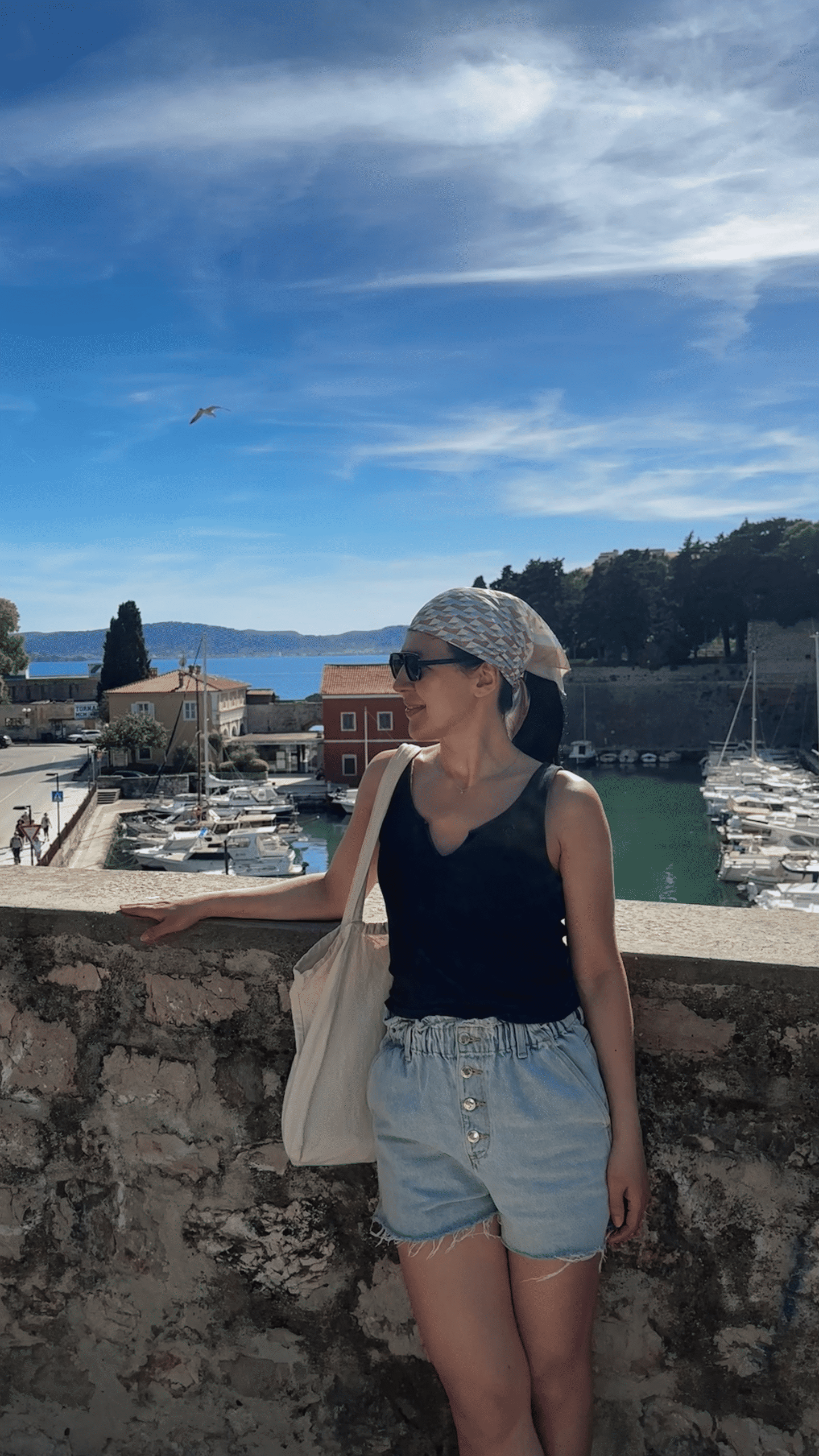
Another part of the old town that I found especially beautiful was the Land Gate. Built in the 16th century during the Venetian period, it has the form of a Renaissance triumphal arch and is one of the most elegant historic entrances in the city. It is both defensive and decorative at the same time. The stonework, proportions, and overall design reflect the Venetian influence that shaped so much of Dalmatia’s coastal architecture.
The Seaside Side of Zadar
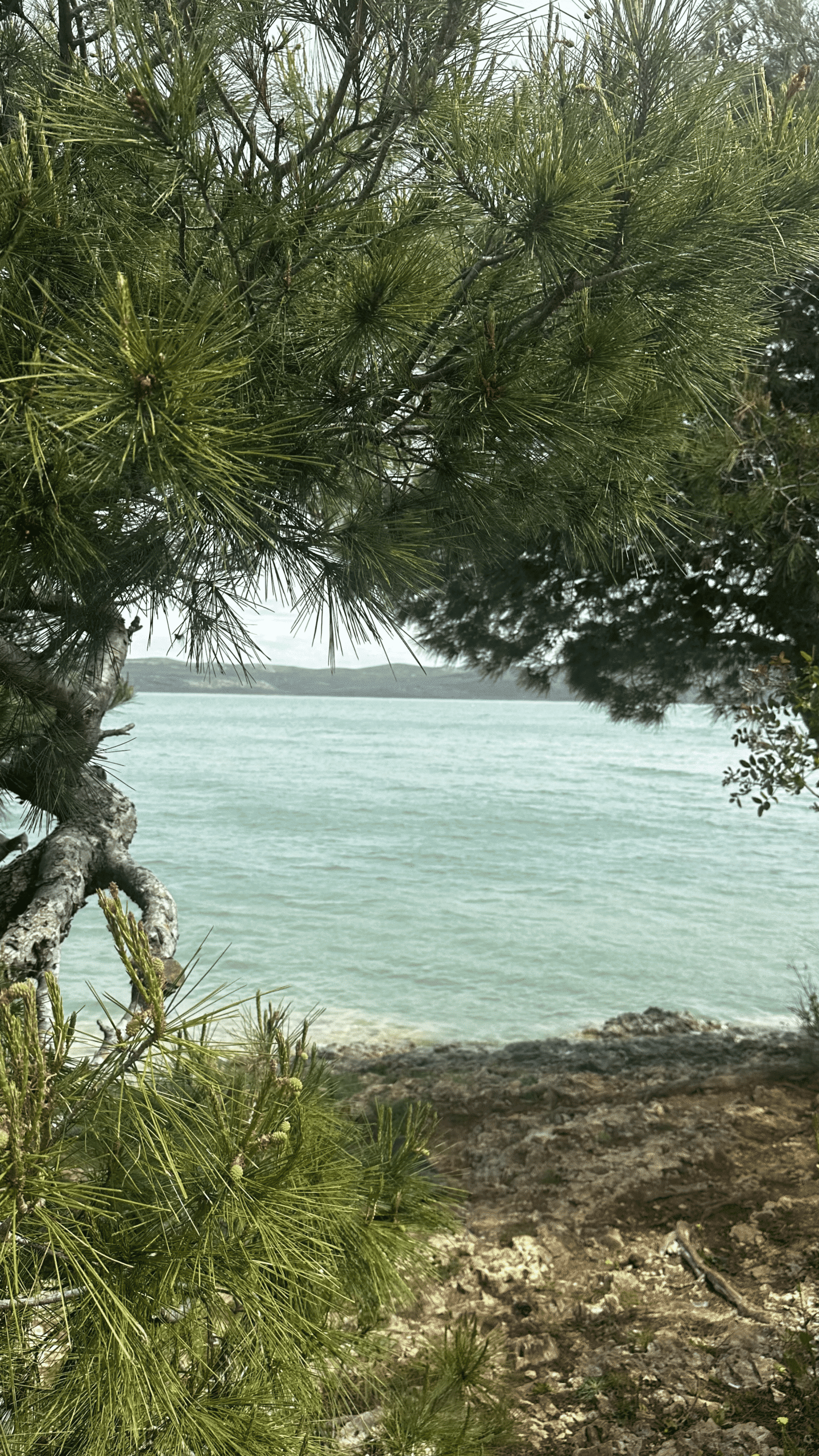
What I liked most was how naturally the city opens toward the water. In Zadar, the sea is always close, and even in the historic center, you never feel far from the sea breeze and the waterfront. You can spend time exploring historic streets and then, only a few minutes later, find yourself walking along the promenade, looking out at the wide horizon.
People slow down, sit by the water, meet friends, and stay outside until late. It gives Zadar a relaxed and very livable atmosphere, rather than the feeling of a place made only for sightseeing.
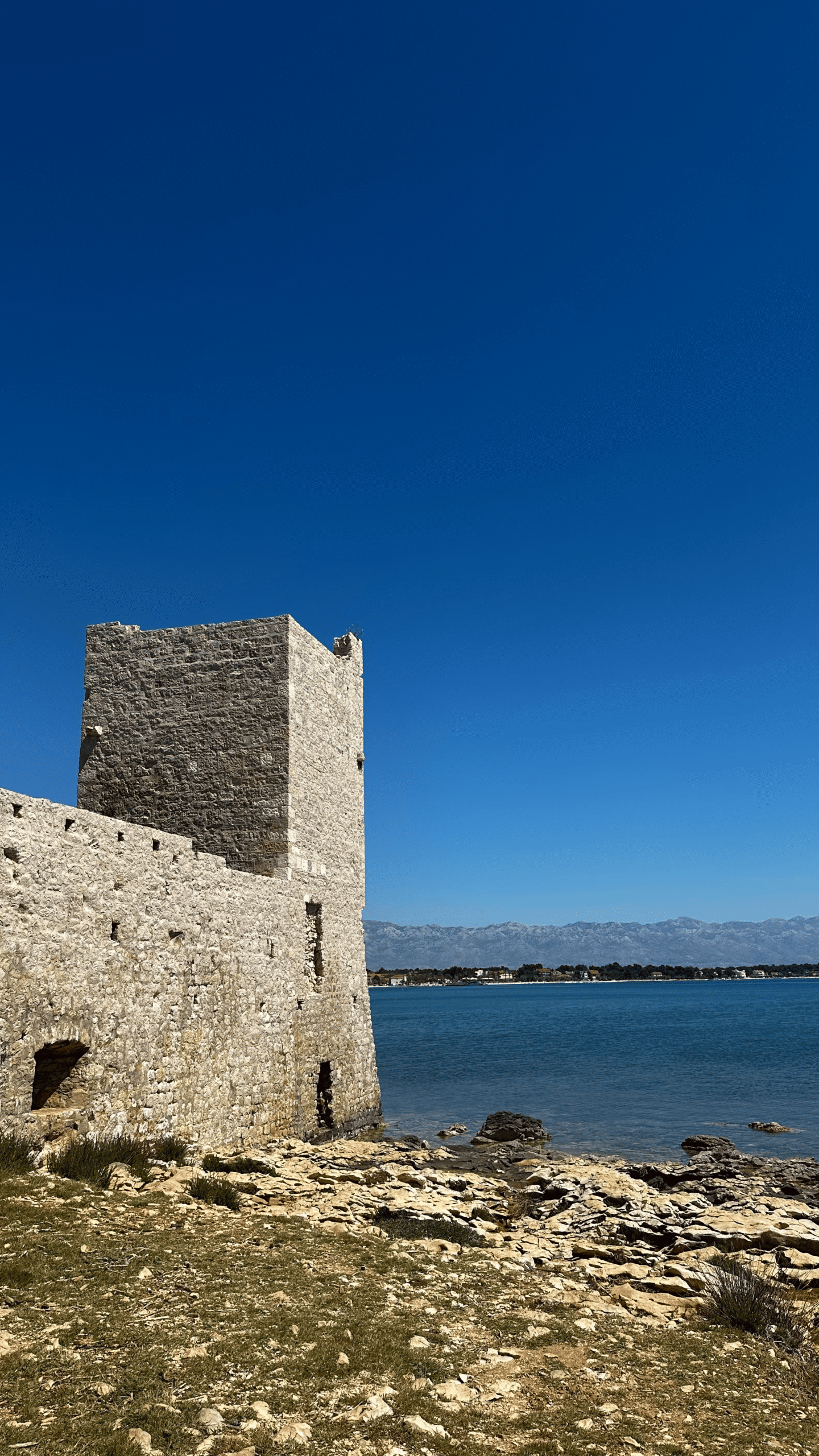
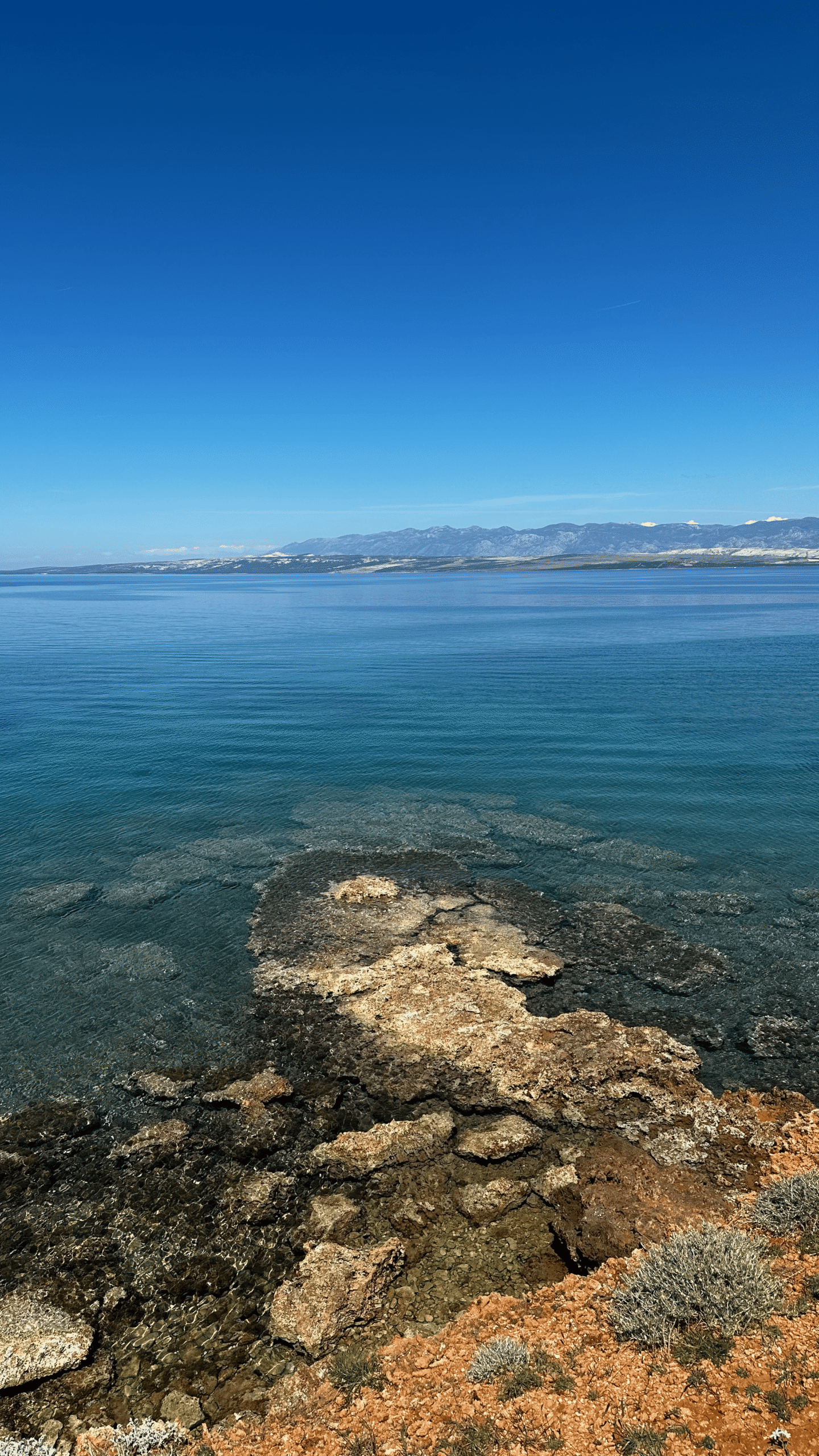
One of the best-known modern landmarks on the waterfront is the Sea Organ. Built into the steps along the promenade, it uses the movement of the waves and air to create sound. It is a very simple idea, but also a very memorable one. Architecturally, it fits the seafront in a subtle way because it does not dominate the space. Instead, it becomes part of the experience of being by the water.
Nearby is the Greeting to the Sun, a large circular installation set into the pavement. During the day, it looks quite minimal, but in the evening, it becomes much more visible as it lights up. Together, these two contemporary elements add another layer to Zadar.

A Day Trip to Plitvice Lakes National Park from Zadar
One of the most memorable parts of our time in Zadar was taking a day trip to Plitvice Lakes National Park. What makes Plitvice so impressive is its scale. UNESCO highlights the park for its outstanding system of 16 named lakes linked by cascades and tufa barriers, while the protected area itself was later expanded in 1997 to better protect the wider water catchment and underground system that makes the whole landscape possible.
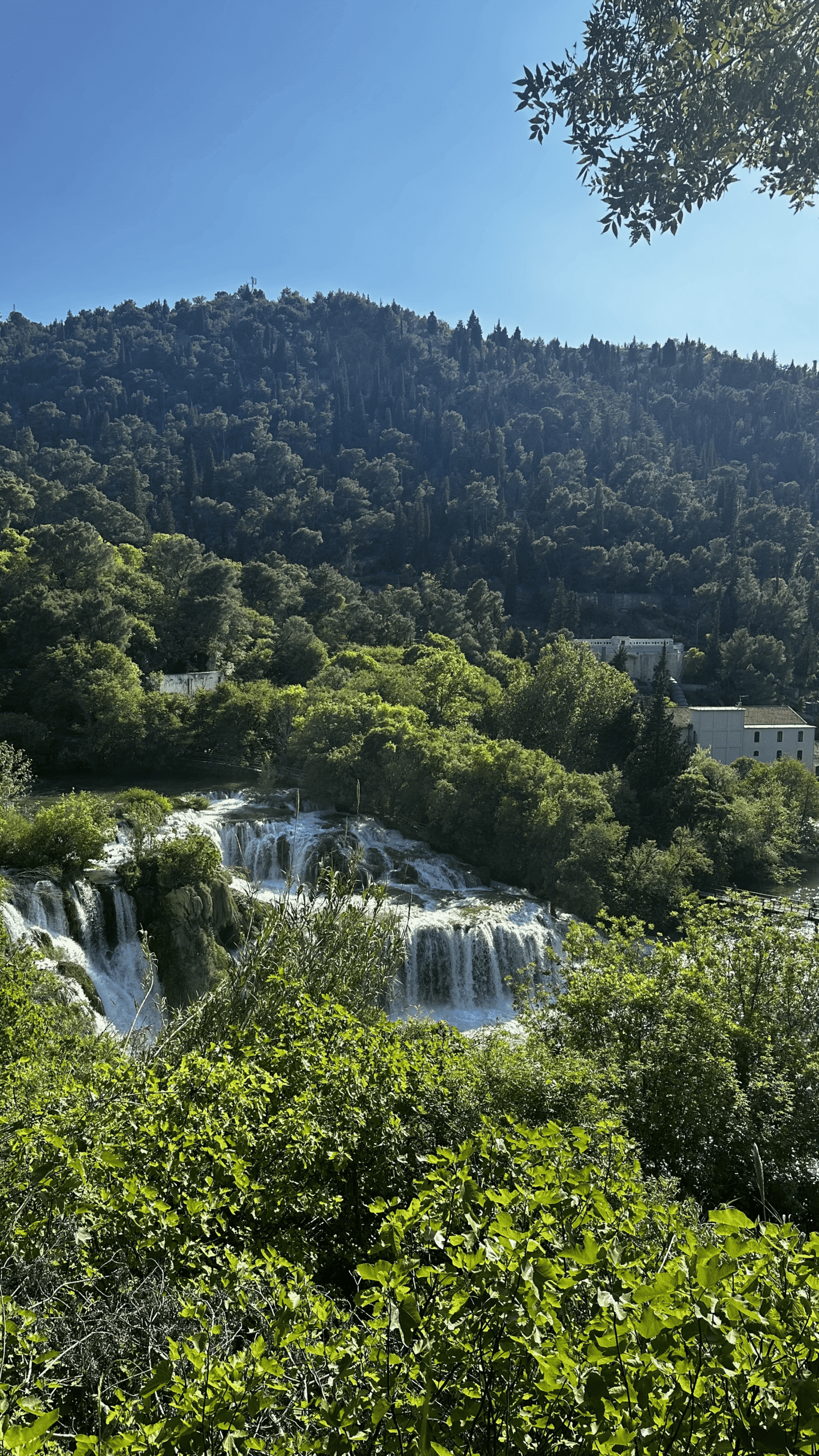

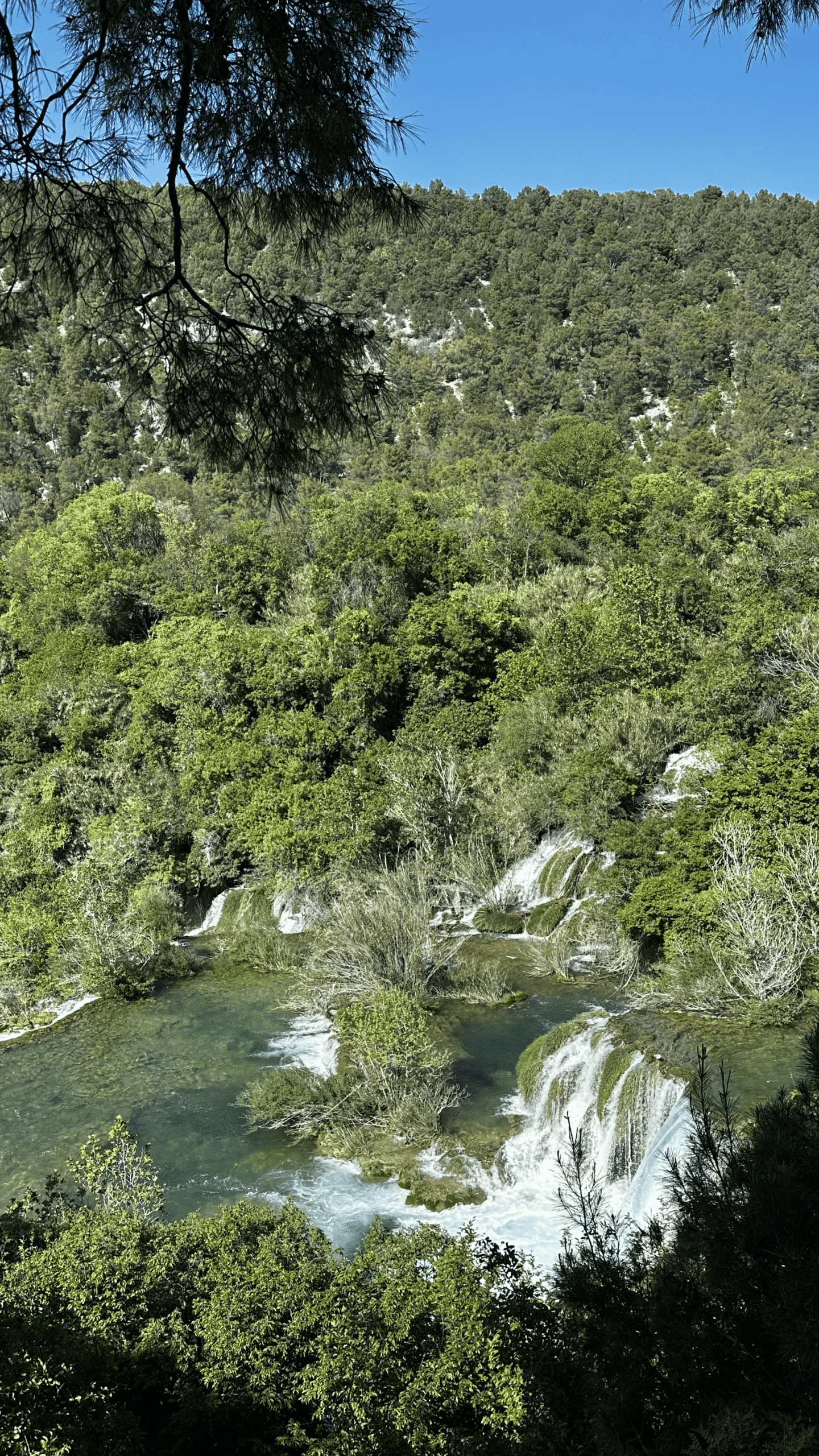
During our visit, there were many tourists, which is not surprising for one of Croatia’s best-known natural attractions. Even so, I still think it was worth it and is one of those places that is famous for a reason. For me, Plitvice worked especially well as a day trip from Zadar because it added another dimension to the holiday.
Visiting Zadar in Spring: Weather in Late April and Early May
One of the things I liked most about visiting in late April and early May was that the weather was warm enough to enjoy the outdoors for most of the day, but the atmosphere still felt calmer than in peak summer. It was easy to walk, explore, and take day trips without feeling too overwhelmed by heat or crowds. For a place like Zadar, where so much of the experience is about being outside, that made a real difference.
Looking back, I think the season added a lot to the experience. Zadar already has that mix of history, sea, and calm everyday beauty. At times, the scenery felt so striking that it almost seemed unreal. The landscapes were incredibly beautiful, the colors felt brighter, and the sea had that deep, glowing Adriatic blue that is hard to forget once you have seen it in person.
One small practical tip: it is a good idea to keep some cash with you, as there are still places where you can only pay in cash. It is a small detail, but useful to know in advance.
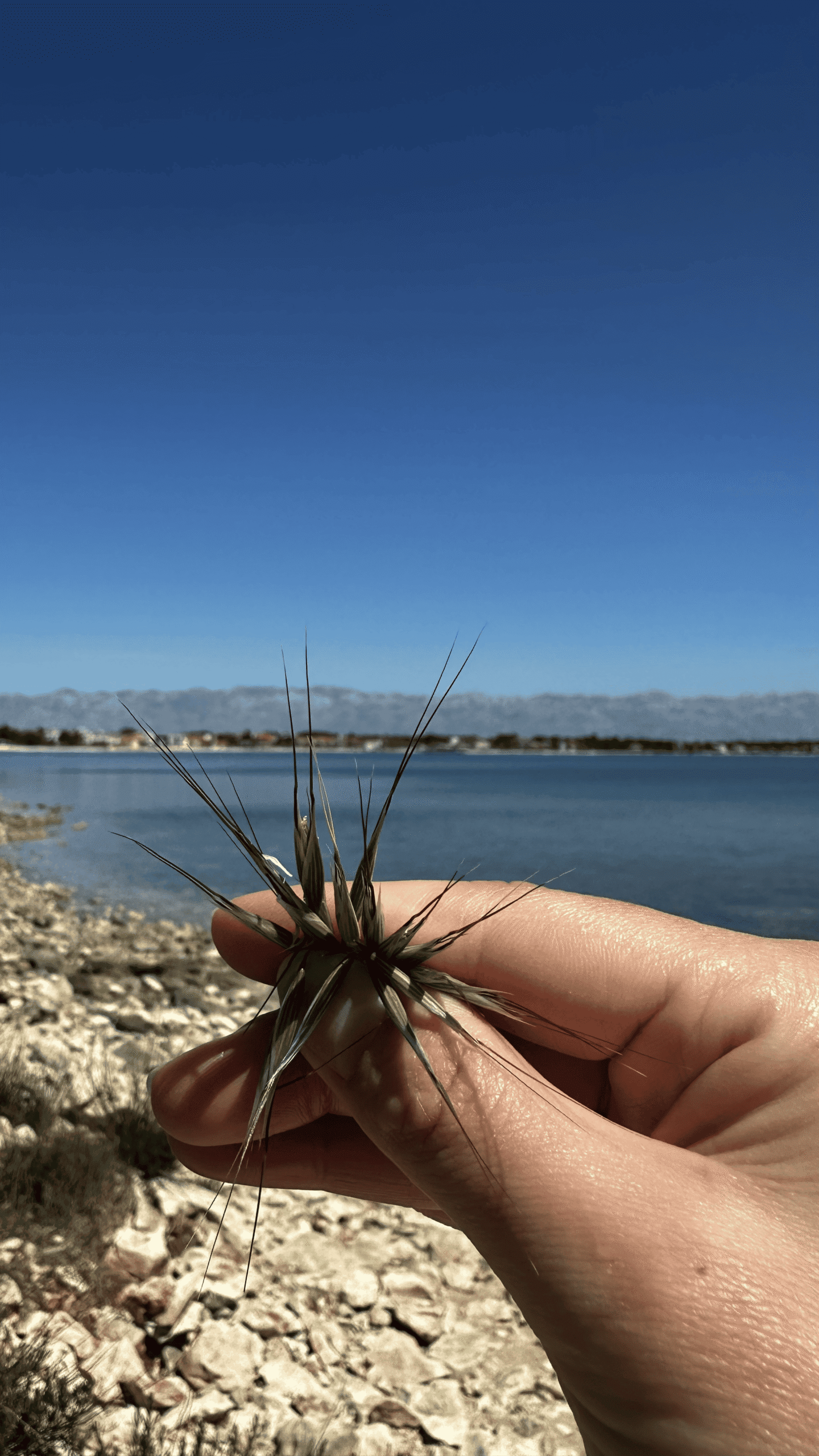

And if there is one thing I would recommend, it is to slow down at the end of the day and sit by the waterfront with a drink in hand. Whether it is a cold beer, a coffee, or something refreshing on a warm afternoon, it is the perfect way to enjoy Zadar. After a day of walking through the old town, exploring the coast, and taking in all that beauty, watching the sunset over the Adriatic feels like the most natural ending possible.
You Might Also Like:
About the author:

Hello and welcome! My name is Victoria, and I’m a private tour guide in Kyiv. Since 2016, I have been offering private tours on various topics for visitors to the capital of Ukraine. I speak fluent English and love sharing stories. When not guiding, I write about Ukraine on my blog and my travel experiences and insights in Sweden and the Baltics.